
Section 194R: TDS on Free Products and Perks for Freelancers and Creators
A free phone, a hotel stay or a box of skincare from a brand. For freelancers and creators, free doesn’t always mean tax free. Here’s how 10% TDS under Section 194R works once perks cross ₹20,000 a year.
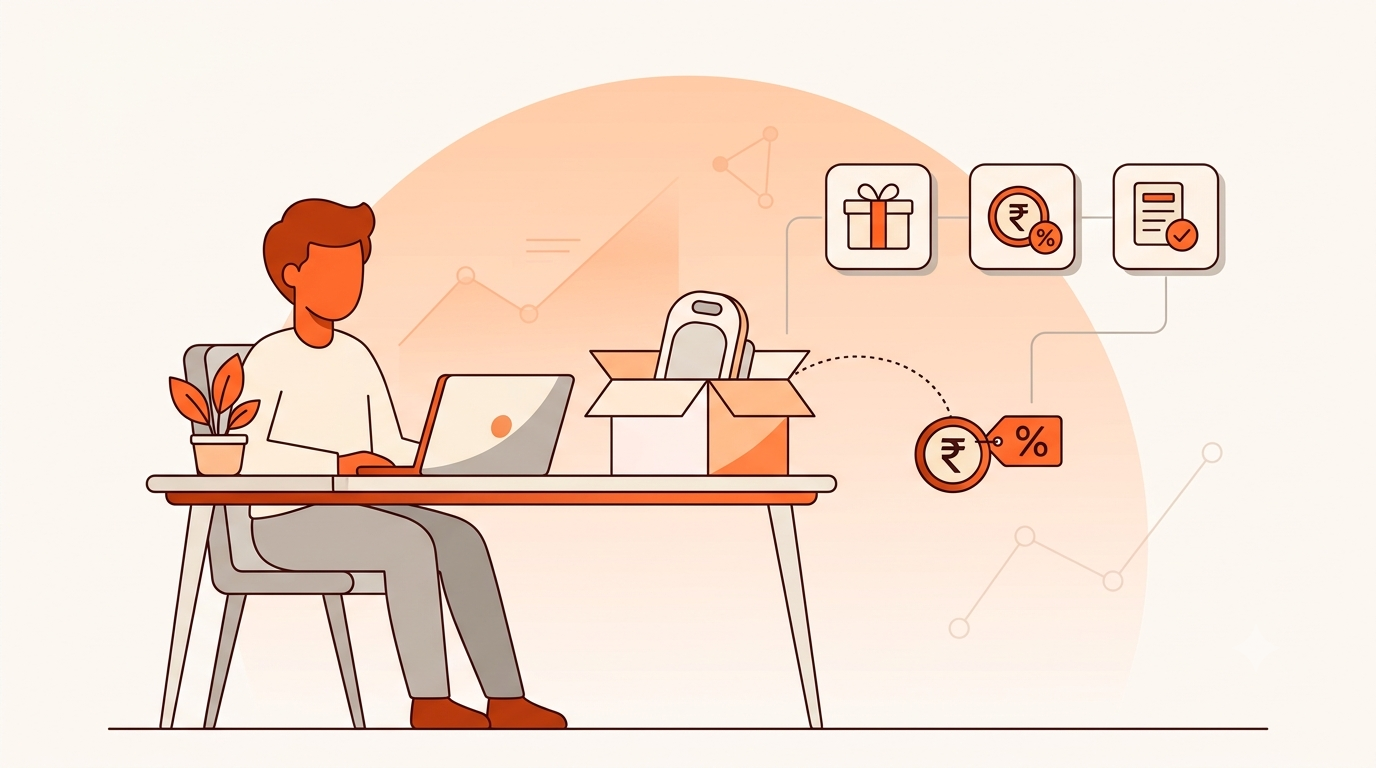
A free phone, a hotel stay, or a box of skincare products from your favourite brand. Sounds like a pretty good deal, right?
Not every payment for work comes in the form of shiny currency notes. For freelancers and content creators, perks like these are often part of the job. A content creator may receive a smartphone for product review, or a freelancer may be gifted a laptop by their client.
But here's the catch: free doesn't always mean tax free.
Section 194R of the Income Tax Act, 1961 deals with the deduction of tax at source (TDS) on benefits or perquisites arising from a resident's business or profession, whether or not they can be converted into cash.
So what is Section 194R?
Simply put, Section 194R requires businesses and eligible providers to deduct TDS when they give qualifying benefits or perquisites to a resident in connection with their business or profession.
The TDS rate is 10% of the value of the benefit, provided the applicable conditions are met.
If the total value of benefits provided to you by a particular business or brand during a financial year doesn't exceed ₹20,000, TDS under this section doesn't apply. If it crosses that limit, TDS may become applicable.
For example, if a brand sends you products worth ₹5,000 every month for promotional activities, that's ₹60,000 worth of products over a year. Those freebies could have tax implications.
What counts as benefits?
- PR packages provided for promotional activities
- Gadgets such as phones, cameras or laptops
- Sponsored hotel stays or trips
- Other perks or gifts connected to your work
However, not every free product automatically attracts TDS. The purpose of the benefit and the circumstances in which it is provided matter. For instance, products that influencers return after using them are generally treated differently from products they keep.
Who is responsible for deducting TDS?
Generally, the brand or business providing the benefit is responsible for ensuring that the applicable TDS requirements are met. The provider must ensure that the required tax is paid before releasing the benefit.
Certain individual and HUF providers may be exempted from this, provided their total sales, gross receipts or turnover does not exceed ₹1 crore in the case of business, or ₹50 lakh in the case of profession, during the financial year immediately preceding the financial year in which the benefit or perquisite is provided.
How does this affect your tax liability?
Getting a freebie doesn't mean you can forget about it in the tax filing season. If the benefit is taxable, its value may need to be included in your business income under Section 28 while filing your ITR.
But the good news is that you can claim credit for the TDS the brand has already paid on your behalf and reported against your PAN, as reflected in your Form 26AS.
Bringing it all together
Between creating content, managing clients and keeping up with deadlines, freelancers and content creators already have enough on their plate. Keeping track of taxes shouldn't feel like another full-time job.
That's where Variabl comes in. Variabl helps freelancers and creators manage their finances and stay on top of their tax-related needs.
Explore VariablFrequently Asked Questions
Does every free PR package attract TDS?
No. The purpose of the benefit, the threshold and other applicable conditions determine whether Section 194R applies.
Can I get a refund of the TDS deducted?
You may be eligible for a refund if your eligible tax credits exceed your final tax liability. The refund depends on your overall tax calculation.
What is excluded from Section 194R?
Section 194R (10% TDS on business perks) does not apply to regular sales discounts, cash discounts, or bank loan waivers. It also excludes client-billed expense reimbursements, bonus or rights shares given to all shareholders, and basic dealer education conferences.
Does Section 194R apply to benefits given to employees?
No. Benefits and perquisites given by an employer to an employee are taxed as salary perquisites and covered by salary TDS under Section 192, not Section 194R. Section 194R applies to a resident who derives the benefit from their own business or profession.
This article is for general information and doesn't constitute individual tax advice and financial advice, every individual's situation differs based on total income, client mix, and whether income includes international sources.